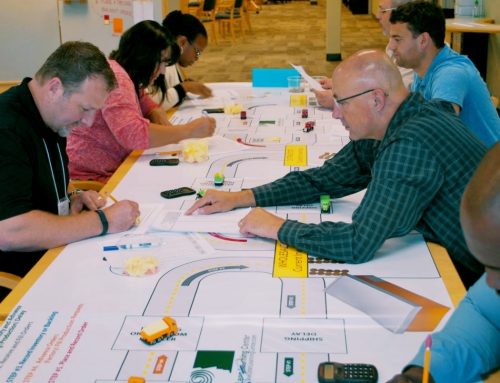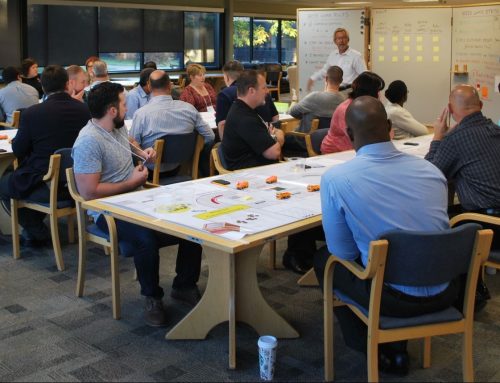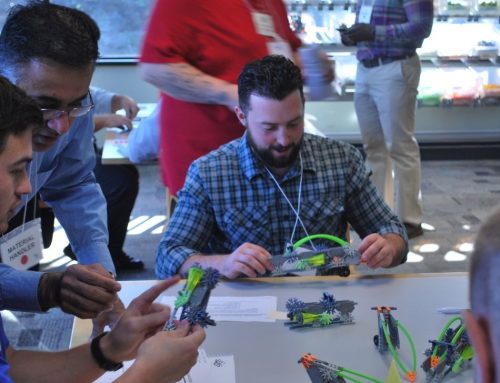

In the rapidly evolving world of business, traditional training methods are often found wanting. Studies suggest that conventional training techniques result in only about 20% of retained knowledge—a figure insufficient for the dynamic demands of modern workplaces. Addressing this challenge, innovative training approaches such as the Lean Experience® are revolutionizing how knowledge is imparted and retained. This unique, five-day training program put on by the Lean Learning Center leverages hands-on, gamified learning experiences that not only enhance retention but also fundamentally change participants’ work habits within their organizations.
Beyond Conventional Training: The Need for Experience-Based Learning
Traditional learning environments typically rely on lectures, reading materials, and standardized testing methods, which often fail to engage learners fully. In contrast, the Lean Experience® employs a hands-on approach that immerses participants in real-world scenarios, making learning both interactive and practical. This method aligns with the experiential learning theory, which posits that the process of learning is significantly enhanced when individuals are actively involved in the experience.
Hands-On Learning: The Key to Behavioral Change
The Lean Experience® is structured around “learning by doing.” Participants engage in simulations and activities that mirror actual challenges they may face in their workplaces. This practical application helps solidify lean concepts and techniques in their minds, enabling them to better understand and implement these principles in their daily tasks. More importantly, this approach facilitates the adjustment of their work habits, steering them towards more efficient and productive practices.
The Impact of the Lean Experience® on Organizational Culture
Introducing the Lean Experience® in an organization can have transformative effects on the overall culture. It fosters a culture of continuous improvement, collaborative problem-solving, and innovation. Participants become catalysts for change, influencing their peers and instigating broader organizational improvements. This shift is crucial for businesses aiming to thrive in competitive environments, as it promotes adaptability and continuous advancement.